How to Run a 7-Night Sleep Experiment with Delta Brainwave Audio
Running a systematic 7-night sleep experiment using delta brainwave audio is the most reliable way to determine if these specialized soundscapes genuinely improve your rest. By tracking sleep onset, nighttime awakenings, and morning restoration scores over a full week, you can see whether low-frequency binaural tracks actually work for your unique nervous system.
Key Takeaways
- A structured seven-night experiment removes guesswork when testing sleep audio.
- Tracking specific metrics like sleep latency and morning restoration prevents confirmation bias.
- Proper headphone selection and volume control are critical for uninterrupted rest.
- Establishing a baseline protocol ensures accurate comparison against non-audio nights.
- Knowing when to stop using Delta Audio protects against frustration and sleep anxiety.
The Problem with Casual Sleep Audio Testing
Most people try a sleep track for a single night, toss and turn because of an unrelated stressor, and immediately decide that delta waves either cure insomnia completely or are a total waste of time. This casual approach ignores the human nervous system's need for consistency, adaptation, and objective measurement.
When you listen to specialized frequency tracks without a structured plan, you may develop performance anxiety. You might discover yourself lying awake in the dark, consciously waiting for the sound to knock you out. This mental monitoring actually triggers sympathetic nervous system arousal, keeping you awake longer. A structured, data-driven seven-night experiment shifts your focus away from forcing sleep and toward systematic self-observation.
Avoiding the Placebo and Nocebo Effects
Human expectation heavily influences subjective sleep quality. If you desperately want a technology to work, you might report feeling rested even if you woke up four times. Conversely, if you are skeptical, you will blame any minor awakening entirely on the audio track. A dedicated tracking protocol forces you to look at concrete metrics rather than vague feelings.
How to Set Up Your Seven-Night Experiment
To get accurate results from your delta wave trial, you must standardize your testing environment. Changing your bedtime routine, alcohol consumption, or room temperature halfway through the week will invalidate your data.
Before night one, please decide on your tracking mechanism. Keep a physical notebook or a dedicated note on your phone right by your bed. Do not use your primary smartphone as a sleep tracker if looking at the screen in the morning tempts you to start scrolling social media.
Establishing Your Tracking Metrics
Every morning immediately after waking up, record three specific data points without overthinking them:
- Sleep Onset (Latency): Approximately how many minutes did it take you to fall asleep? Was it noticeably faster than your baseline?
- Awakenings: Did you sleep straight through, wake up a few times briefly, or experience frequent disrupted sleep?
- Restoration Score: Rate how physically and mentally refreshed you feel on a scale from 1 to 10.
By capturing these metrics consistently for seven days, patterns will quickly emerge. You may notice that nights two through four show a stabilization in sleep latency as your brain adapts to the auditory cue.
Optimizing Your Nightly Protocol for Accurate Results
Garbage in means garbage out. If your listening setup is uncomfortable, the physical irritation will skew your experiment negatively. Follow this precise protocol every night of your trial:
Begin your wind-down routine 20 to 30 minutes before bed. Dim your household lights, turn off stimulating screens, and lie down comfortably. Set the audio volume very low. A common mistake is turning the volume up under the assumption that a stronger signal equals a faster sleep response. In reality, louder sound can stimulate the auditory cortex and prevent relaxation.
Managing Headphone Discomfort
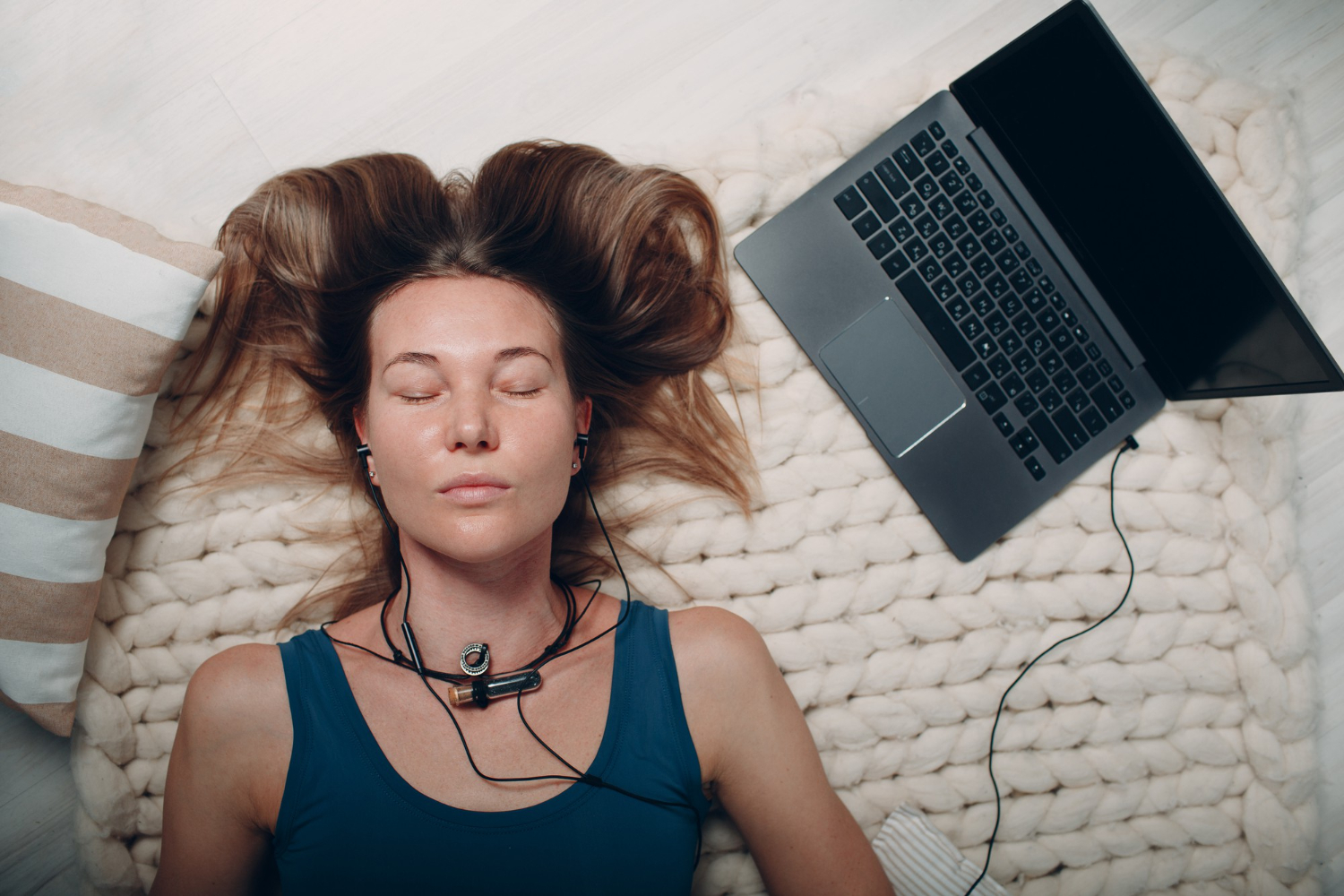
Because binaural beats require two distinct frequencies delivered separately to each ear, stereo headphones are mandatory. However, wearing bulky over-ear headphones to bed is impractical and often painful. If you use soft sleep headband headphones, ensure they do not cause pressure points, heat buildup, or tangled cords that wake you up in the night.
If you find that you fall asleep easily during the first hour but wake up tangled in wires later, adjust your strategy. Set a 30 to 60-minute sleep timer so the track turns off automatically, allowing you to spend the remainder of the night in silence.
Evaluating Your Results and Making Decisions
On the morning of day eight, review your sleep log. Look at the averages for your sleep latency and your restoration scores. Compare them honestly against your recollection of a typical week prior to the experiment.
If your sleep onset decreased, your nighttime awakenings dropped, and your morning restoration scores consistently trended higher, the delta audio protocol is a valuable addition to your nighttime routine. Continue using it as a reliable sleep cue.
When to Discontinue the Experiment Early
Not every tool works for every person. You should immediately discontinue the experiment if you experience any of the following warning signs:
- The tones feel irritating or grating to your ears.
- Listening to the track makes you feel more alert rather than sleepy.
- The audio triggers headaches or sinus pressure.
- You feel a psychological pressure or stress to "make the sound work."
If you encounter these issues, give up on delta waves entirely and pivot to ordinary relaxing music, pink noise, or natural soundscapes like rainfall. The ultimate goal is restorative rest, not adherence to a specific frequency.
Conclusion
Testing sleep technology requires patience, structure, and an willingness to listen to your own body's feedback rather than relying on generalized claims. By committing to a disciplined seven-night trial, you remove the guesswork from your bedtime routine and empower yourself with personalized health data.
Ready to put this testing framework into practice tonight? Listen to the full episode to get the exact audio track and deeper guidance on preparing your mind and body for restorative, deep sleep.
Frequently Asked Questions
How long should each sleep audio session last during the experiment?
Begin with a 30 to 60-minute sleep timer. This provides more than enough time for your nervous system to relax and drift into natural sleep, while preventing the physical discomfort of wearing headphones all night long.
What should I do if the Delta Audio makes me feel more alert?
If the rhythmic pulsing or frequency makes your mind more active rather than relaxed, stop using it immediately. Switch to continuous, non-pulsed sounds like pink noise, brown noise, or unstructured ambient music.
Can I listen to delta wave audio while reading or working in bed?
No. Delta frequencies are calibrated for deep sleep states and should never be used while driving, operating machinery, or performing tasks that require active mental concentration and alertness.
Is it normal to notice no change in sleep quality during the first two nights?
Yes. It often takes a few nights for your brain to associate the audio cue with the onset of sleep and for you to adjust to wearing sleep headphones comfortably.

How to Use Piano Music for Emotional Release and Grief Processing