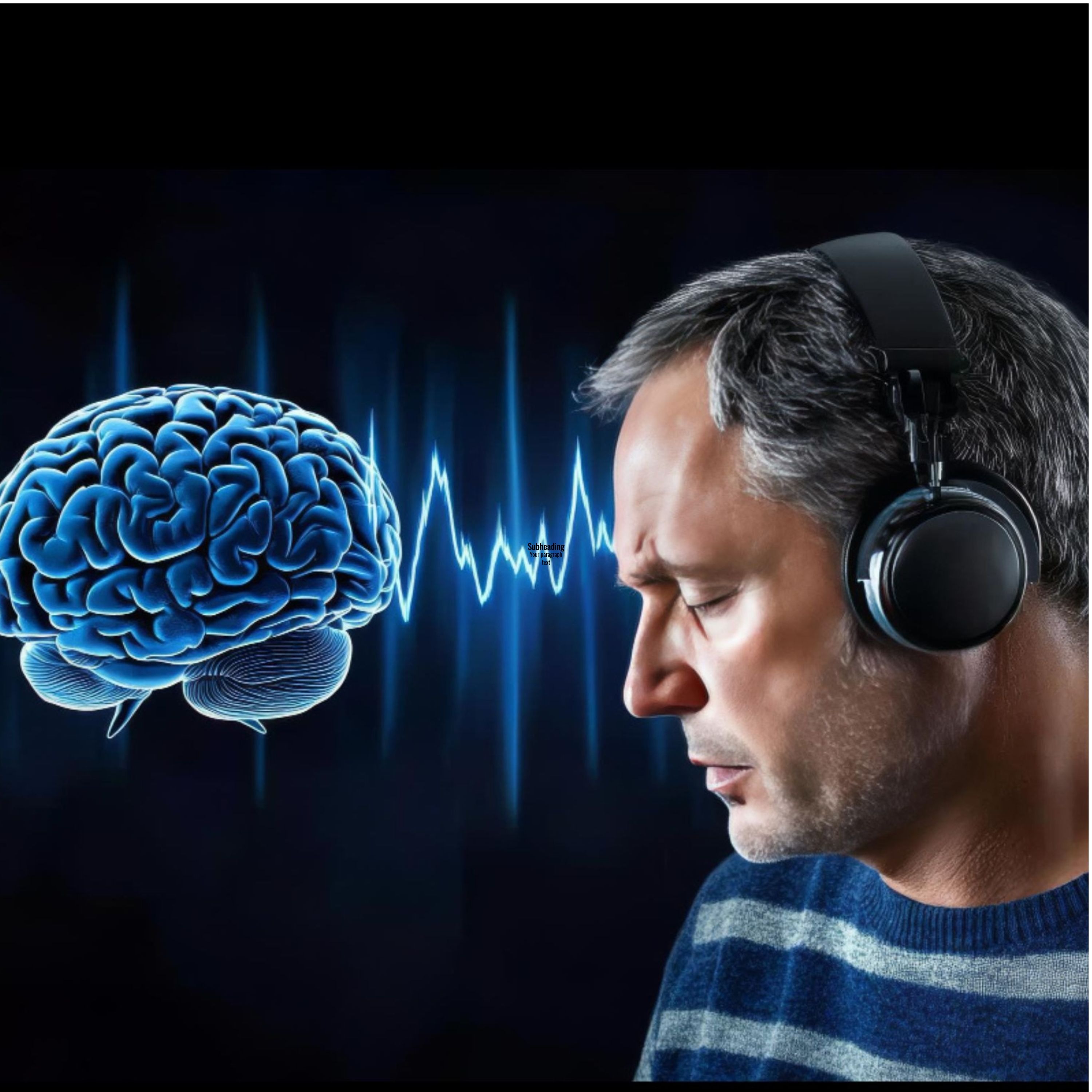
Bilateral Sound vs Visual EMDR: How Audio-Based Processing Heals Trauma

Auditory Bilateral Stimulation for Relaxation & Healing. Discover how auditory bilateral stimulation provides a powerful, screen-free alternative to traditional eye-movement trauma therapies. Learn how alternating sound waves stimulate both hemispheres of the brain to process difficult emotions, reduce anxiety, and promote deep neurological healing without requiring visual tracking or rapid eye movement.
Key Takeaways
- Auditory bilateral stimulation uses alternating sound to activate both brain hemispheres, mirroring the effects of traditional eye-movement therapy.
- Sound-based processing allows individuals to engage in trauma recovery without staring at moving lights or objects.
- Bilateral audio successfully bypasses the brain's analytical left hemisphere, preventing it from prematurely self-soothing or overriding emotional processing.
- Listeners can easily incorporate therapeutic audio into daily relaxation routines, meditation sessions, or bedtime wind-down periods.
- Combining specialized hertz frequencies with alternating sound creates an immersive, highly accessible pathway for nervous system regulation.
Understanding Bilateral Audio in Therapeutic Settings
Traditional trauma processing often relies heavily on visual mechanics, such as watching a therapist's fingers move back and forth or following a light bar. While clinically effective, this reliance on sight can present barriers for individuals experiencing sensory overload, visual fatigue, or those who simply prefer a private, internalized healing practice. Bilateral audio shifts the sensory modality entirely, utilizing sound to achieve the exact same neurological objective.
When sound moves fluidly from the left headphone to the right headphone, it gently engages the auditory cortex in a reciprocal pattern. This rhythmic shifting encourages both sides of the brain to communicate and integrate information more efficiently. For individuals seeking a self-guided tool to manage stress, quiet an overactive mind, or support deeper meditative states, sound-based bilateral stimulation offers a seamless, non-invasive option.
How Sound Replaces Rapid Eye Movement
The core mechanism behind eye-movement protocols is the activation of a dual-attention stimulus, forcing the brain to process internal distress while simultaneously tracking external movement. Auditory stimulation achieves this exact dual-attention state through your ears rather than your eyes. By sending precise tones alternately to the left and right ear, the brain processes the auditory shift as a localized event, allowing it to stay in the present moment while safely exploring deeper emotional landscapes.
Bypassing Left-Brain Defense Mechanisms
One of the primary hurdles in personal healing and stress recovery is the human tendency to over-intellectualize. The analytical left hemisphere of the brain is exceptionally gifted at rationalizing, downplaying, or outright dismissing emotional wounds. When stress accumulates, the left brain often steps in prematurely to soothe the right brain, telling you to "just get over it" or "look on the bright side" before the emotional root has actually been processed.
Therapeutic audio technologies designed with bilateral structures are believed to bypass this defensive filtering mechanism. By engaging both hemispheres simultaneously through structured sound waves, the audio prevents the left brain from shutting down or overriding the deeper emotional processing occurring in the right hemisphere. This unhindered communication allows for a more authentic, embodied release of tension, grief, or stored somatic stress.
The Role of Frequency in Neural Synchronization
Pairing bilateral audio movement with specific brainwave frequencies—such as high-range gamma waves—amplifies the overall therapeutic impact. When targeted frequencies are delivered alternately across headphones, they encourage neural entrainment. Your brain naturally begins to synchronize its electrical activity with the incoming rhythmic pattern, helping to transition your mental state from chaotic, scattered thinking into focused clarity or profound, restorative calm.
Integrating Bilateral Audio Into Your Daily Routine
You do not need a clinical office or specialized equipment to benefit from auditory bilateral stimulation. Incorporating these soundscapes into your everyday wellness practices can dramatically enhance your ability to unwind after a high-stress day. Whether you use them during a midday mental reset or as a soothing backdrop for your evening sleep routine, using them consistently is essential for long-term neurological benefits.
To maximize your listening sessions, find a quiet, comfortable space where you will not be disturbed. Always use a pair of stereo headphones, as proper left-and-right channel separation is essential for the bilateral effect to function correctly. Allow yourself to settle in for at least fifteen to thirty minutes, keeping your attention gently anchored on the shifting auditory landscape.
Conclusion
Exploring alternative pathways for mental wellness allows you to tailor your self-care strategy to what feels most natural and nourishing for your mind and body. Auditory bilateral stimulation bridges the gap between clinical therapeutic concepts and accessible, everyday relaxation music.
To experience these specialized soundscapes firsthand and support your personal journey toward inner calm, listen to the full episode and let the immersive audio guide your relaxation practice today.
Frequently Asked Questions
Do I need special equipment to listen to bilateral audio?
You only need a standard smartphone, computer, or media player paired with a reliable pair of stereo headphones or earbuds. Because the therapeutic effect relies on distinct sounds shifting between the left and right channels, listening through phone speakers or an open room setup will not produce the desired bilateral result.
How long should I listen to achieve noticeable relaxation?
A general guideline is to listen for a minimum of 15 to 30 minutes to experience initial nervous system regulation and mental clarity. However, for deeper meditative states or to assist with sleep onset, longer listening sessions of an hour or more can provide much more profound and sustained benefits.
Can auditory stimulation really replace visual eye-movement therapy?
While traditional eye-movement therapies are facilitated by clinical professionals using visual tracking, auditory bilateral stimulation serves as an accessible, standalone alternative designed for personal relaxation, meditation, and self-guided stress relief. It utilizes the same foundational principle of dual-hemisphere brain engagement via sound.
Is it safe to listen to bilateral audio while working or driving?
No. Because therapeutic bilateral audio is designed to induce deep relaxation, alter brainwave states, and internalize your focus, you should never listen while driving, operating heavy machinery, or performing tasks that require your active alertness and external vigilance.
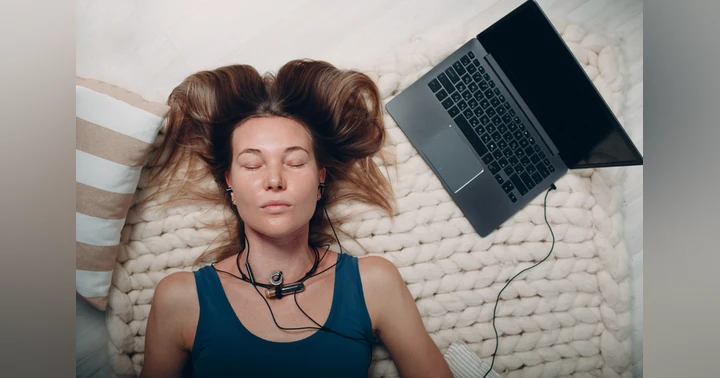
How to Run a 7-Night Sleep Experiment with Delta Brainwave Audio