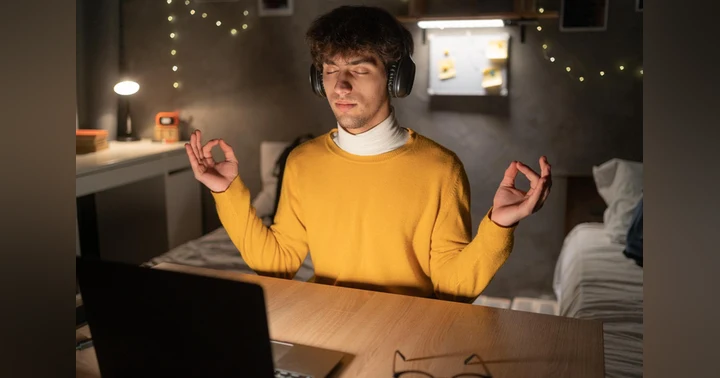
Headphones vs Speakers for Delta Waves Sleep Audio: Which Is Better?
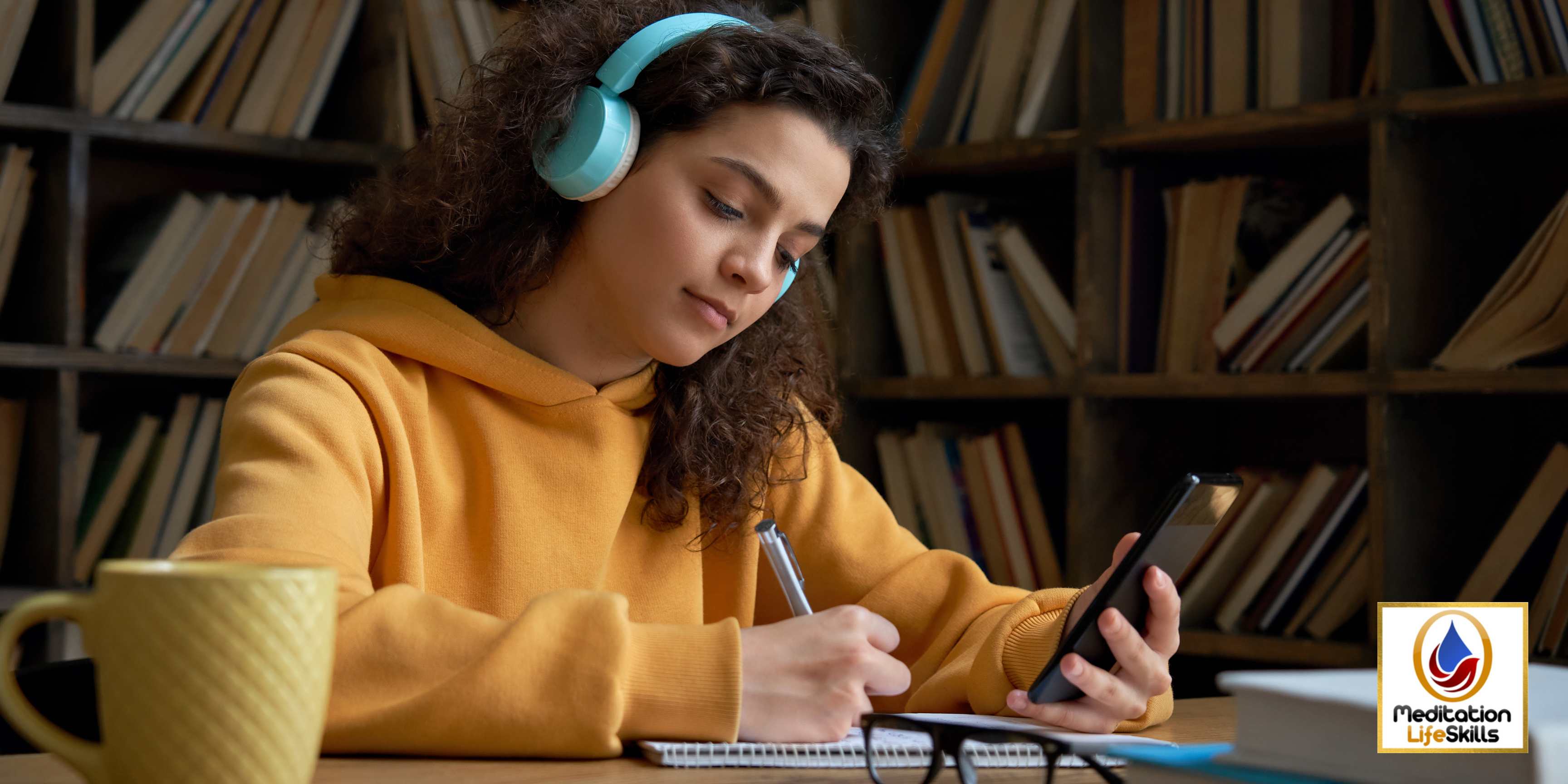
Headphones vs. speakers for delta waves. Choosing between headphones and bedside speakers for audio designed to promote delta wave sleep depends heavily on whether the track uses binaural beats or monaural pulses.
While headphones deliver precise frequency separation required for brainwave entrainment, bedside speakers offer a more comfortable, tangle-free environment ideal for maintaining uninterrupted overnight rest.
Key Takeaways
- Binaural beats require stereo headphones because they rely on sending two slightly different frequencies to each ear.
- Monaural pulses and isochronic tones work effectively through standard bedside speakers without needing ear-level delivery.
- Flat sleep headphones reduce physical discomfort but can still cause ear irritation or heat buildup over long periods.
- Setting a 30 to 60 minute sleep timer prevents hardware from pressing against your head all night.
- Your room's physical environment matters more for deep sleep than how the sound is delivered.
Understanding the Acoustic Mechanism
Before deciding how to play your evening audio, it helps to understand why delivery systems differ based on the type of sound design used. Not all sleep tracks are the same, and the engineering behind the recording determines your hardware choice.
Binaural Beats and Headphone Necessity
If you are listening to a composition built around true binaural beats, stereo headphones are non-negotiable. Binaural beats work by playing a 100 Hz tone in your left ear and a 102.5 Hz tone in your right ear. Your superior olivary complex—a structure in your brainstem—detects the 2.5 Hz difference between these two signals, creating an internal delta rhythm.
Without headphones, these distinct acoustic signals would mix in the open air of your bedroom before ever reaching your eardrums, rendering the binaural effect useless. If you want to experience the neurological shaping associated with 2.5 Hz delta waves via binaural separation, investing in a comfortable listening device is essential.
Speakers and Monaural Pulses
Conversely, if the soundscape uses monaural pulses or isochronic tones, bedside speakers are more than sufficient. Monaural pulses physically modulate the volume of the sound itself, rising and falling 2.5 times per second within the audio file. Because the modulation happens in the sound wave rather than your brain's processing of two separate tones, your speakers can broadcast the sound safely into your room.
Hardware Options Compared
Choosing your playback device involves balancing the effectiveness of the brainwave entrainment against your personal sleeping posture and comfort preferences.
Over-Ear and In-Ear Headphones
Traditional earbuds and noise-canceling headphones offer pristine audio separation, but they present major drawbacks for sleep. Lying on your side with an earbud pressing into your ear canal causes physical discomfort and can disrupt your transition into deep rest. Furthermore, wearing active noise-canceling devices all night can sometimes produce a mild static hiss that defeats the purpose of a relaxation track.
Flat Sleep Headbands
Soft, fabric-enclosed headband speakers designed specifically for sleeping have surged in popularity. These devices place ultra-thin, flat speakers against your ears inside a washable headband or eye mask. They eliminate rigid plastic pressure points, making them vastly superior for side sleepers who require headphone-level delivery for binaural tracks.
Bedside Table Speakers
If comfort is your absolute highest priority, a simple Bluetooth speaker placed on your nightstand is unmatched. There are no cords to tangle, no hardware pressing against your skull, and no risk of waking up with localized ear soreness. While you forfeit binaural beats, you can still enjoy ambient soundscapes, soothing acoustic music, and volume-modulated delta frequencies designed to fade gently into the background.
Optimizing Your Nightly Audio Routine
Regardless of whether you choose speakers or headphones, how you set up your listening session dictates your success. Pushing play is only the first step in creating a reliable neurological cue for sleep.
Always set a sleep timer between 30 and 60 minutes. Running audio continuously for eight hours can keep your brain subtly engaged, preventing the deepest stages of restorative non-REM sleep. Allow the track to shepherd you past the threshold of consciousness, then let silence take over.
Keep the playback volume extremely low. If you have to strain to hear it, that is often too quiet, but if the sound demands your active attention, it is too loud. The ideal volume functions like a distant, soothing backdrop that anchors your mind away from racing daytime thoughts.
Conclusion
Ultimately, your choice between headphones and speakers comes down to the specific audio engineering of your chosen track and your personal comfort levels. If a recording relies on binaural separation, comfortable flat sleep headphones offer the best results. For those who value total physical freedom, a bedside speaker that plays monaural or ambient soundscapes will keep your sleep environment pristine.
To explore these concepts further and experience a dedicated frequency session, listen to the full episode and discover how targeted soundscapes can transform your evening winding-down routine.
Frequently Asked Questions
Can I listen to delta wave binaural beats without headphones?
No. True binaural beats require separate audio signals sent independently to each ear so your brain can compute the difference. Playing them through a single speaker blurs the tones together before they reach your ears, neutralizing the effect.
Are sleep headphones safe to wear all night?
While generally safe, wearing headphones all night can cause ear canal irritation, moisture buildup, or tangled cords. It is much better for your sleep quality and auditory health to set a 30 to 60 minute sleep timer so the device turns off automatically.
What is the difference between binaural and monaural delta waves?
Binaural beats require headphones because they mix inside your brain using two different ear frequencies. Monaural pulses modulate the actual volume of the sound wave itself, allowing them to be played successfully through standard open-room speakers.
Does listening through speakers still help with relaxation?
Yes. Even without brainwave entrainment features, playing ambient soundscapes, soft acoustic music, or pulsing audio through a bedside speaker creates a comforting auditory anchor that helps signal to your nervous system that it is time to rest.

Why Distant Thunder Makes You Feel Safe: Psychology of Rainstorm Sounds