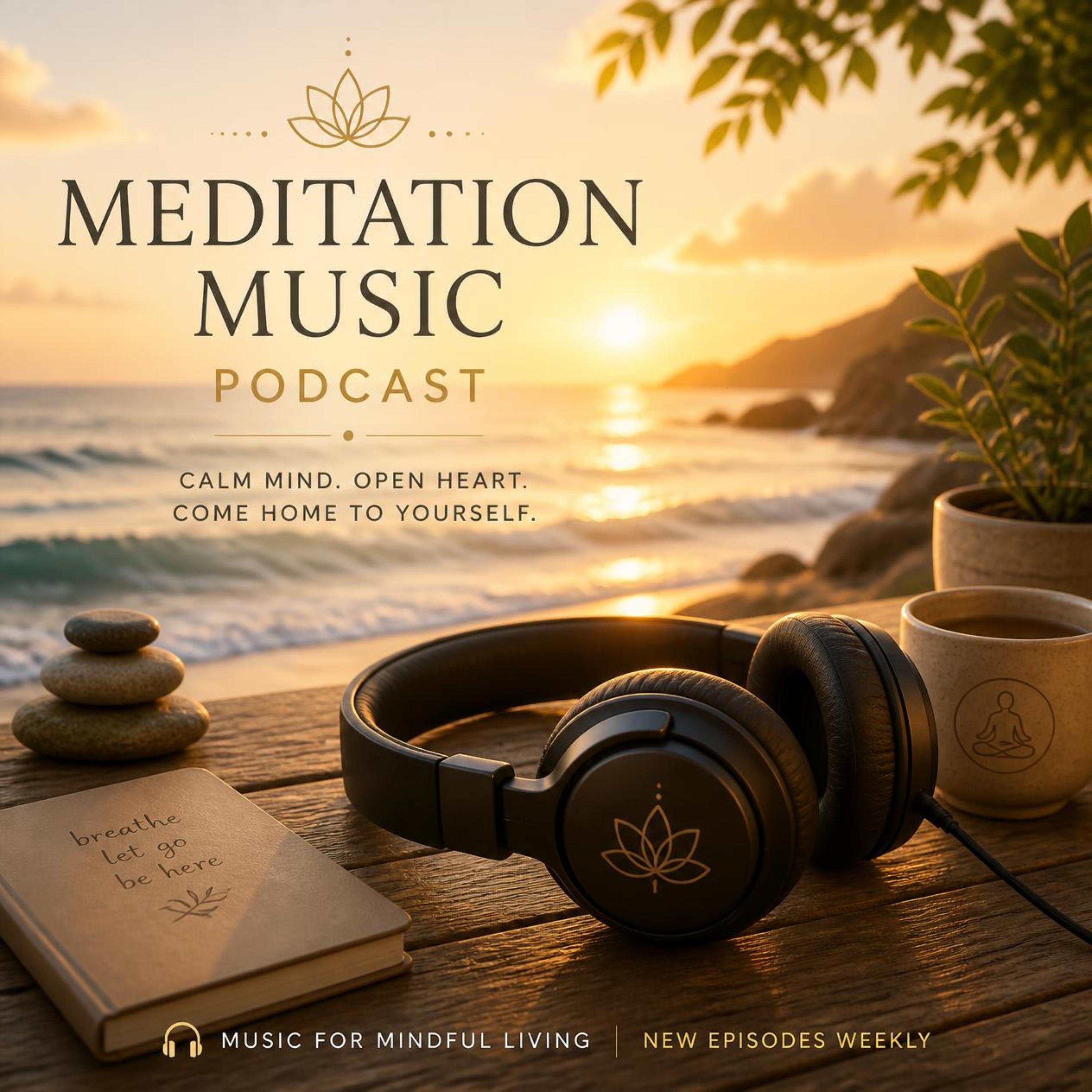
Deep Sleep Regeneration – 2.5 Hz Delta Waves Meditation Music



Key Takeaways
- Delta waves are very slow brainwave patterns measuring between 0.5 and 4 Hz that become especially prominent during deep, non-REM sleep.
- A frequency of 2.5 Hz is below the normal range of human hearing, so recordings use binaural beats, monaural pulses, or isochronic tones to create a 2.5 Hz rhythmic pulse.
- Begin playing the meditation music 20 to 30 minutes before your intended sleep time after completing your normal evening routine.
- Keep the volume very low so the soundscape creates a soft background rather than demanding your attention as you drift off to sleep.
- For tracks utilizing binaural beats, stereo headphones are required, whereas isochronic tones and pulsing soundscapes work well through a bedside speaker.
- Use the track consistently for seven nights and observe your sleep latency, nighttime awakenings, and morning refreshment levels to gauge its effectiveness.
 What are 2.5 Hz delta waves? Delta waves are very slow patterns of electrical activity measured in the brain by an EEG.
They are commonly defined as roughly 0.5–4 Hz and become especially prominent during deep, non-REM sleep. A frequency of 2.5 Hz means 2.5 cycles per second, placing it within the delta range.
2.5 Hz is probably not an audible tone on its own—it is below the normal range of human hearing. Instead, the recording may create a 2.5 Hz rhythmic pulse using:
- Binaural beats: slightly different audible tones are sent to each ear, and the brain perceives the difference as a beat. Headphones are required.
- Monaural or isochronic pulses: the sound's volume rises and falls 2.5 times per second. These can work through speakers.
The best way to use your track
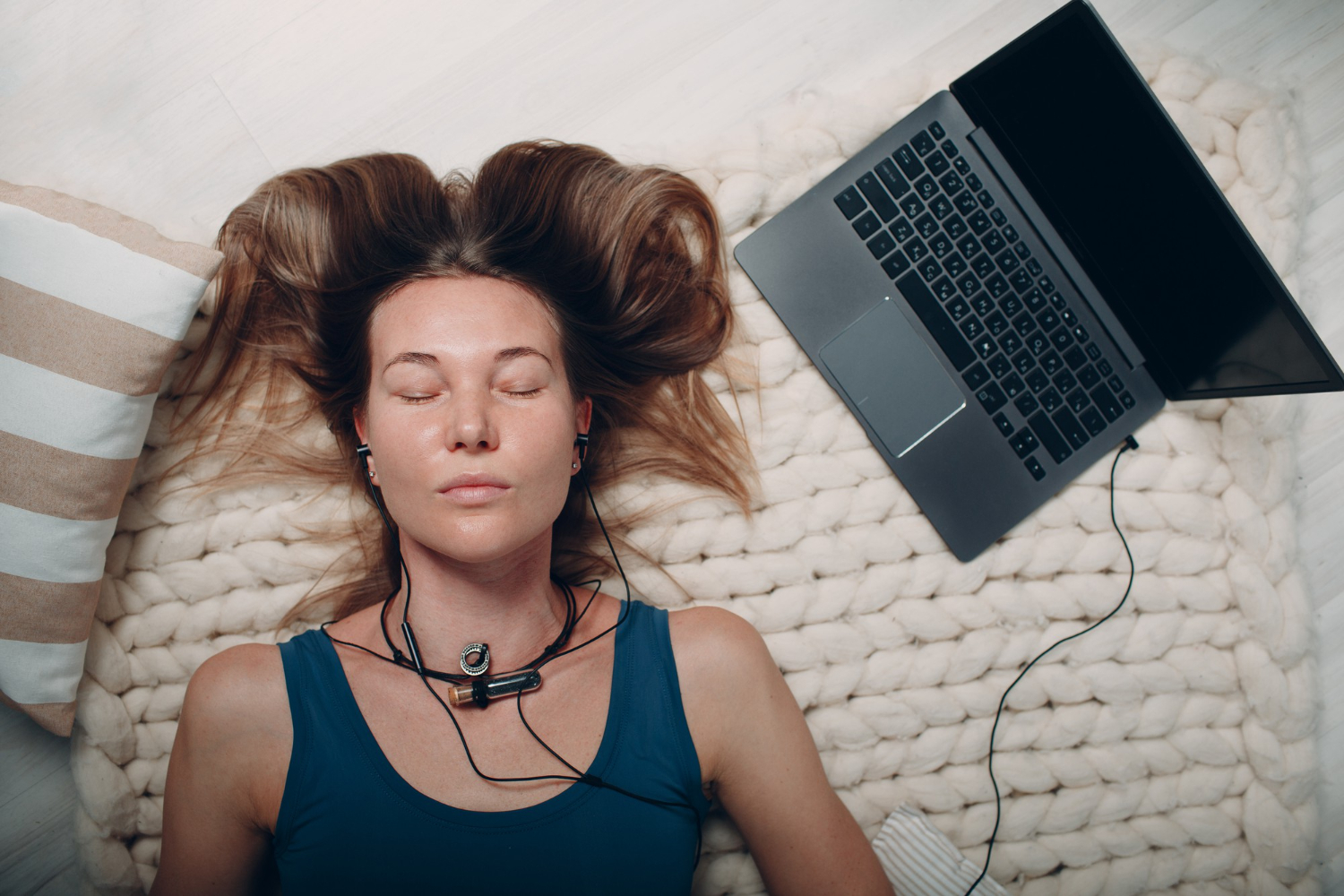
Begin playing it 20–30 minutes before your intended sleep time, after completing your normal evening routine. Dim the lights, put the phone aside, and let the recording become the final signal that your day is over.
Lie comfortably and take five slow breaths:
Inhale gently for four counts. Exhale slowly for six counts.
Then mentally repeat:
“Nothing needs to be solved tonight. My body knows how to sleep.”
Keep the volume very low—just loud enough to hear comfortably. Sleep recordings should create a soft background rather than demand your attention. A cool, dark, quiet room and a consistent sleep schedule remain more important than any particular frequency.
Headphones or speakers?
Check whether the track specifically says “binaural beats.”
For binaural beats, use stereo headphones while settling down, but consider setting a 30–60-minute sleep timer rather than wearing bulky headphones throughout the night. Flat sleep headphones may be more comfortable, but discontinue them if they cause pressure, ear irritation, overheating, or tangled cords.
For isochronic tones, pulsing soundscapes, or ordinary delta-themed music, a bedside speaker is usually sufficient.
A simple nightly practice
Use the track consistently for seven nights and observe three things each morning:
- Approximately how long it took you to fall asleep.
- How often you remember waking.
- How refreshed you feel from 1 to 10.
Avoid checking the clock repeatedly during the night. If the track becomes irritating, stimulating, or makes you focus too much on whether it is “working,” turn it off. A peaceful response matters more than the stated frequency.
Persistent insomnia, loud snoring, gasping, morning headaches, or significant daytime sleepiness deserve a conversation with a healthcare professional; an audio track should complement—not replace—evaluation and established sleep treatment.
Frequently Asked Questions
What are 2.5 Hz delta waves?
Delta waves are very slow patterns of electrical activity in the brain, roughly defined as 0.5 to 4 Hz, which become prominent during deep, non-REM sleep.
How do you hear a 2.5 Hz frequency if it is below human hearing?
Because 2.5 Hz is below the normal range of human hearing, recordings use methods like binaural beats, monaural pulses, or isochronic tones to create a perceivable 2.5 Hz rhythmic pulse.
Should I use headphones or speakers for delta wave sleep music?
If the track uses binaural beats, you need stereo headphones. For isochronic tones, pulsing soundscapes, or ordinary delta-themed music, a bedside speaker is usually sufficient.
When is the best time to start playing sleep meditation music?
The best approach is to begin playing the track 20 to 30 minutes before your intended sleep time, after you have completed your normal evening routine and dimmed the lights.