Why Distant Thunder Makes You Feel Safe: Psychology of Rainstorm Sounds
Discover why the specific combination of rainstorm sounds for anxiety and distant thunder creates a profound psychological sense of safety. This guide explores the neurological mechanisms behind storm sounds, how low-frequency acoustic rumble lowers cortisol, and actionable ways to use timed audio environments to soothe chronic daytime anxiety without causing startle responses.
Key Takeaways
- Distant thunder acts as an evolutionary auditory marker of temporary environmental shelter.
- Low-frequency rumbles engage the parasympathetic nervous system to decrease stress hormones.
- Volume calibration is critical to prevent sudden startle reflexes from sharp thunderclaps.
- A 15-to-30 minute auditory reset effectively washes away the emotional residue of a stressful workday.
- Personal physiological response dictates whether you should use full storm tracks or rain-only ambient sound.
The Evolutionary Psychology of Storm Safety
Human beings have a complex evolutionary relationship with weather. For early ancestors, a violent storm outside represented a dual threat: physical danger and a forced pause in external labor.
However, once inside a secure dwelling, the sound of a rainstorm transforms from a hazard into a powerful evolutionary trigger for rest. When we hear precipitation drumming against a roof while protected indoors, our ancient brain registers absolute safety.
This psychological phenomenon is rooted in the concept of refuge. The external chaos provides a boundary, isolating us from the demands of the outside world.
Modern anxiety often stems from a feeling of being constantly exposed to demands, notifications, and micro-stressors. Listening to a simulated storm replicates that ancient boundary, giving your nervous system explicit permission to stop scanning for threats and finally stand down.
Neurological Effects of Steady Rain and Low-Frequency Rumbles
Acoustic profiling reveals that rain and thunder occupy specific sound spectrums that naturally induce relaxation. The steady, wide-band hiss of rainfall acts as a natural pink noise generator.
Pink noise has equal energy per octave, mirroring many patterns found in nature and human biology, such as heart rate variability. This makes it exceptionally effective at masking sudden, jarring background sounds that typically trigger micro-awakenings in the brain.
Thunder introduces a completely different acoustic element: low-frequency micro-vibrations. While a high-pitched sharp noise spikes heart rate and activates the amygdala, a deep, distant bass rumble does the opposite. It resonates gently within the physical body, signaling to the nervous system that a massive force is passing by safely at a distance.
When utilized correctly in therapeutic listening practices, these frequencies facilitate a shift from high-beta brainwaves associated with active problem-solving down to alpha and theta states conducive to deep emotional recovery.
Customizing Your Soundscape for Anxiety Relief
Not all storm sounds affect every person the same way. If you struggle with acute anxiety or hypervigilance, a poorly calibrated recording featuring sudden, sharp lightning cracks can actually worsen your symptoms by triggering a startle response. Customizing your exposure to the audio environment is vital for achieving genuine relaxation.
Volume and Distance Calibration
The golden rule for using storm sounds to alleviate anxiety is perceived distance. When you play ambient audio, keep the volume low enough that the occasional thunder feels miles away rather than overhead. This spatial illusion tricks the auditory cortex into feeling enclosed and secure rather than cornered and threatened.
If a particular recording features thunder that feels too sharp or startling, you may need to adjust your equalizer to dampen higher frequencies or pivot entirely to a rain-only track during high-stress days.
Integrating Breathwork with Audio
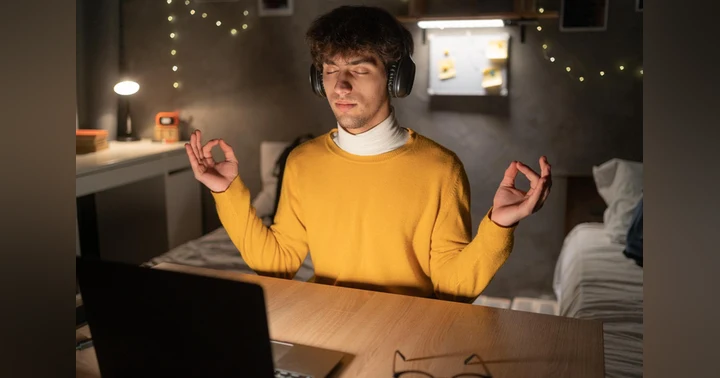
To maximize the anxiolytic benefits of a storm soundscape, pair the listening session with intentional, paced respiration. Sit comfortably, close your eyes, and let the steady background rain dictate the rhythm of your mind.
Try a simple breathing ratio: inhale gently for a count of four, and exhale comfortably for a count of six. Let the longer exhale signal your vagus nerve to slow your heart rate. As thoughts about work or daily responsibilities drift into your awareness, use the sound of the rain as a mental anchor, silently noting that like the storm outside, every passing thought will eventually fade away.
Conclusion
Utilizing the natural acoustics of rainstorms and distant thunder offers a scientifically backed pathway to reset an overstimulated nervous system. By understanding how your evolutionary triggers respond to ambient shelter sounds, you can transform a simple background track into a powerful tool for daily emotional regulation and profound anxiety relief.
Ready to experience these calming acoustic environments for yourself? Listen to the full episode to explore immersive rainstorm soundscapes designed specifically to help you unwind, focus, and find your inner calm.
Frequently Asked Questions
Why do rainstorm sounds help reduce anxiety?
Rainstorm sounds provide natural pink noise that masks sudden environmental disruptions, while the sound of rain paired with distant thunder triggers deep-seated evolutionary cues of physical shelter and safety, allowing the nervous system to let go of hypervigilance.
What should I do if thunder makes me feel tense instead of relaxed?
If thunder causes alertness or tension, you should immediately lower the volume so the rumbles sound extremely distant, use the audio only during daytime hours when you feel more grounded, or switch to a rain-only ambient sound recording.
How long should a listening session be for stress relief?
A dedicated session of 15 to 30 minutes is ideal for unwinding after a stressful day. Pair the listening time with dim lighting, a comfortable posture, and slow, intentional breathing to help wash away the emotional residue of the day.
Can I use these soundscapes while working or studying?
Yes, running a low-volume rainstorm track in the background helps mask household and office distractions. It creates a stable acoustic bubble that supports prolonged periods of deep focus without competing with your concentration.
Building a 7-Day Evening Sound Cue Routine with Long-Form Ambient Music