Understanding Brainwaves: Why 9 Hz Alpha Beats Work
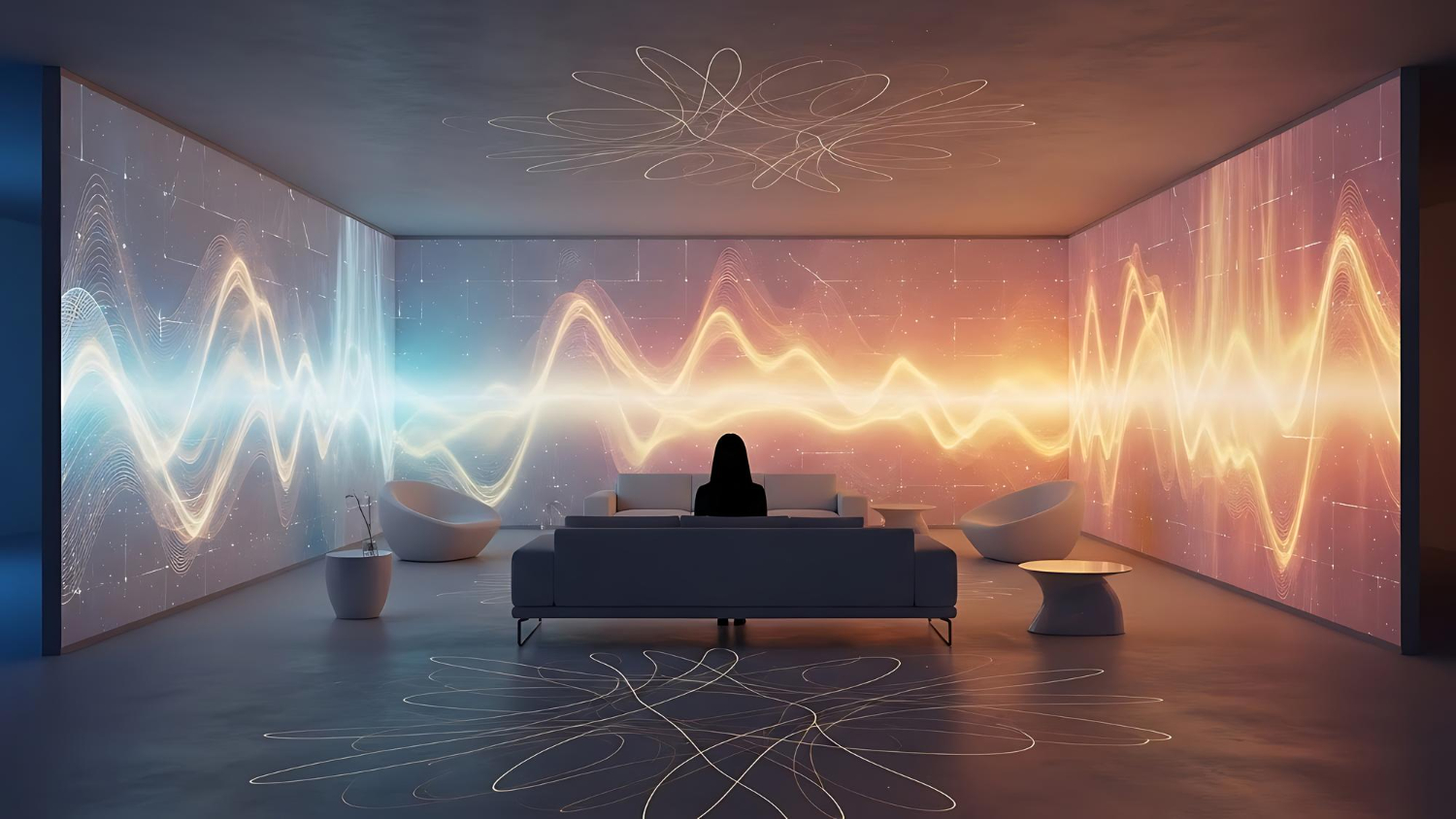
This article explores the science behind why specific frequencies, like the 9 Hz alpha beats, serve as a bridge to quiet wakefulness and how you can use this technology as a tool for intentional relaxation.
The transition between the high-octane energy of our work lives and the restorative silence we crave for sleep is often fraught with friction. We often find ourselves stuck in a state of high-beta brainwave activity—characterized by agitation, analytical overthinking, and sustained stress—long after the workday has concluded.
To help navigate this transition, many listeners have turned to our latest audio offering, 9 Hz Alpha Binaural Beats - Deep Relaxation Soundscape.
Understanding brainwaves: The transition to quiet wakefulness
Our brains are essentially biological electrical devices. Neurons fire in rhythmic patterns, and these patterns are what we measure as brainwaves. These waves are categorized by their frequency—how many times they fire per second, measured in Hertz (Hz).
For most of our day, we operate in the Beta range (12–30 Hz), which is associated with active thinking, problem-solving, and sometimes, the anxiety of "doing."
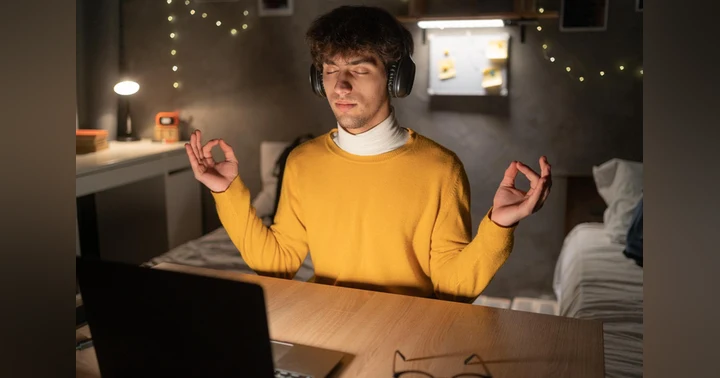
When we begin to slow down, our brainwaves shift into the Alpha range (8–12 Hz). Alpha activity is the hallmark of "quiet wakefulness." It is that delightful state you might experience when you are daydreaming, practicing gentle meditation, or simply resting with your eyes closed. It is not quite sleep, but it is certainly not the reactive, external-facing state of Beta.
By consciously nudging our brain toward an Alpha state, we are essentially signaling to our nervous system that it is time to shift from a "fight or flight" response into a "rest and digest" or "tend and befriend" response.
How binaural beats function: The auditory system and rhythmic pulses
The science of binaural beats is rooted in a phenomenon called "entrainment." When you listen to binaural beats, you wear headphones that deliver a slightly different tone to each ear. For example, if your left ear hears a tone at 200 Hz and your right ear hears a tone at 209 Hz, your brain does not hear two separate tones.
Instead, your auditory system creates an auditory illusion: a perceived third tone that pulses at the difference between those two frequencies—in this case, 9 Hz.
The brain, ever the pattern-recognition machine, naturally tends to synchronize its own electrical oscillations to the frequency of this rhythmic beat. This is why these tracks are so effective as environmental anchors. They provide a gentle, consistent external rhythm that encourages the brain to follow suit, guiding you into a specific, desired state of consciousness without requiring you to "force" your mind into submission.
The significance of 9 Hz: Why this specific frequency bridges alert and relaxed states
Why choose 9 Hz? While the entire Alpha spectrum (8–12 Hz) is useful, 9 Hz sits comfortably in the middle of this range. It acts as a perfect bridge. Because it is slightly lower than the higher-frequency end of Alpha, it encourages deeper relaxation, yet because it remains firmly in the Alpha range, it avoids the drowsiness associated with Theta (4–8 Hz) or the unconsciousness of Delta (below 4 Hz).
At 9 Hz, you are in a state of "relaxed awareness." You have enough alertness to maintain an observational, meditative posture, yet you have enough physical and mental softness to let go of the rigid analytical thinking that keeps us tethered to stress. It is the ideal frequency for transitioning from a productive work session to a meaningful period of restoration.
A guide to your 20-minute alpha practice
To get the most out of our 9 Hz soundscape, a structured approach is best.
- Begin by setting aside 20 minutes where you can be undisturbed.
- Start by settling your nervous system through controlled breathing—a 4-count inhale and a 6-count exhale is excellent for activating the parasympathetic nervous system.
- After three minutes of this exercise, stop controlling your breath and simply allow the 9 Hz pulses to serve as your focal point.
When your mind wanders—and it will—do not judge the thought. Simply label it as "thinking" and return your attention to the soundscape or the sensation of your body against your chair or mat.
The practice is not to have a "blank" mind but to practice the act of returning to the present moment. At the 15-minute mark, when you feel a shift in your internal state, you can introduce a specific intention, such as stress relief, creative visualization, or self-reflection, before finally taking a few minutes to reorient to your environment.
Optimizing your state: When and how to use the 9 Hz soundscape
You can listen to these beats anytime, but they work best as a transition tool. Try using the track as a buffer after your workday concludes; it helps to "wash off" the mental residue of emails and meetings.
Alternatively, it is a fantastic primer for creative work or journaling, as the Alpha state is highly conducive to lateral thinking and fluid ideas. If you are someone who struggles with "racing mind" at bedtime, using this soundscape about an hour before sleep can help you downshift your brain's processing speed so that you are better prepared for rest.
Managing expectations: What to notice and why subtle results matter
It is important to manage your expectations. You are not going to have a mystical, life-altering breakthrough in every single session. The magic of binaural beats lies in their cumulative, subtle effect. You might notice your shoulders dropping, your breathing slowing down, or a mild sense of mental spaciousness.
Occasionally, you may feel as though "nothing happened." That is perfectly fine Even on those days, your brain is still engaging with the rhythmic frequency. The goal is not a specific "sensation," but rather the practice of slowing down.
A subtle sense of calm is a victory. The most successful practitioners are those who show up consistently, three to five times a week, rather than those who wait for a major, dramatic experience.
Conclusion: Using technology as a support, not a substitute for practice
- In our journey toward greater mental clarity and emotional regulation, it is tempting to view technology as a shortcut or a quick fix.
- However, the key takeaway is that the 9 Hz beat does not do the work for you; it simply creates an environment that makes that process easier.
- By pairing the soundscape with a consistent practice of breathing, observation, and intentionality, you are teaching your nervous system how to shift states on command.
- We invite you to make this part of your weekly routine and see how a few minutes of intentional quiet can change the quality of your waking hours.
To begin your session, head over to 9 Hz Alpha Binaural Beats—Deep Relaxation Soundscape and let the rhythm guide you back to center.
Remember: the goal is not to force yourself into a state of perfection but to foster a state of presence. Go well, and enjoy the practice.

Why Distant Thunder Makes You Feel Safe: Psychology of Rainstorm Sounds